By Saidika Organization | August 2026
Climate change is no longer a distant concern.
Its effects are increasingly visible in our communities, affecting livelihoods, food systems, water resources, health, infrastructure and the opportunities available to future generations.
But understanding climate change is only the beginning.
The more important question is:
How do we prepare young people not just to understand climate change, but to become part of the solutions?
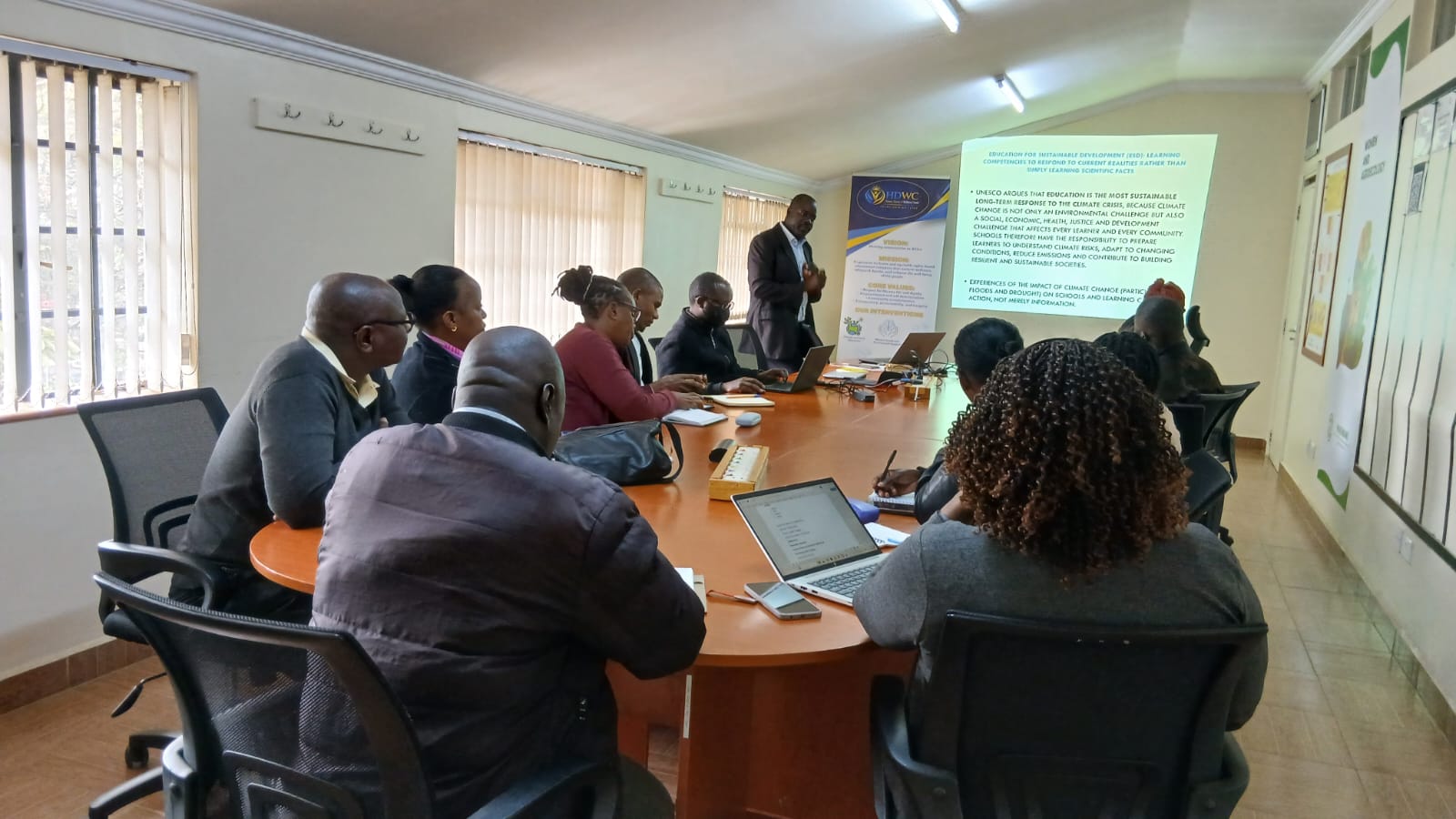
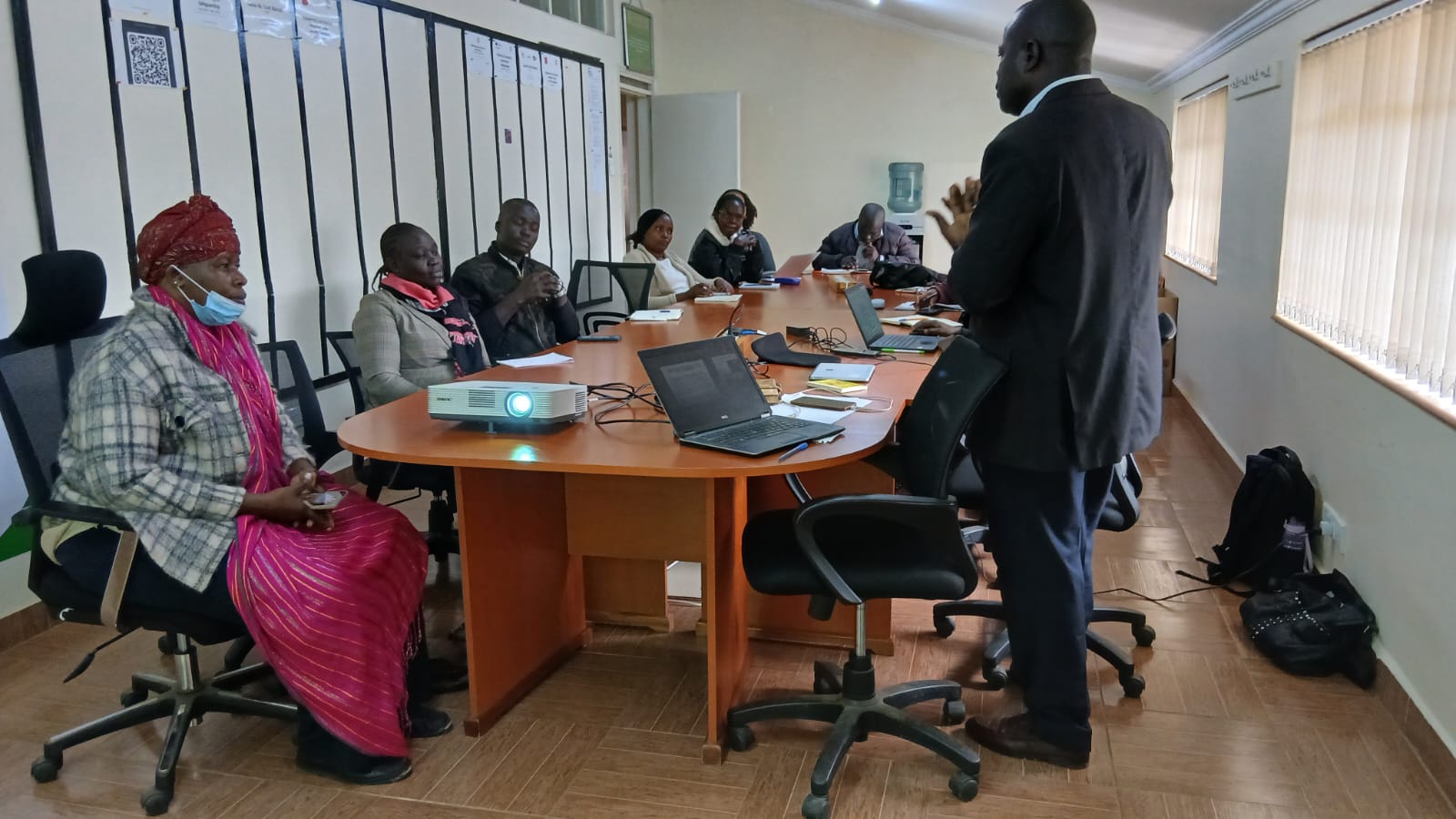
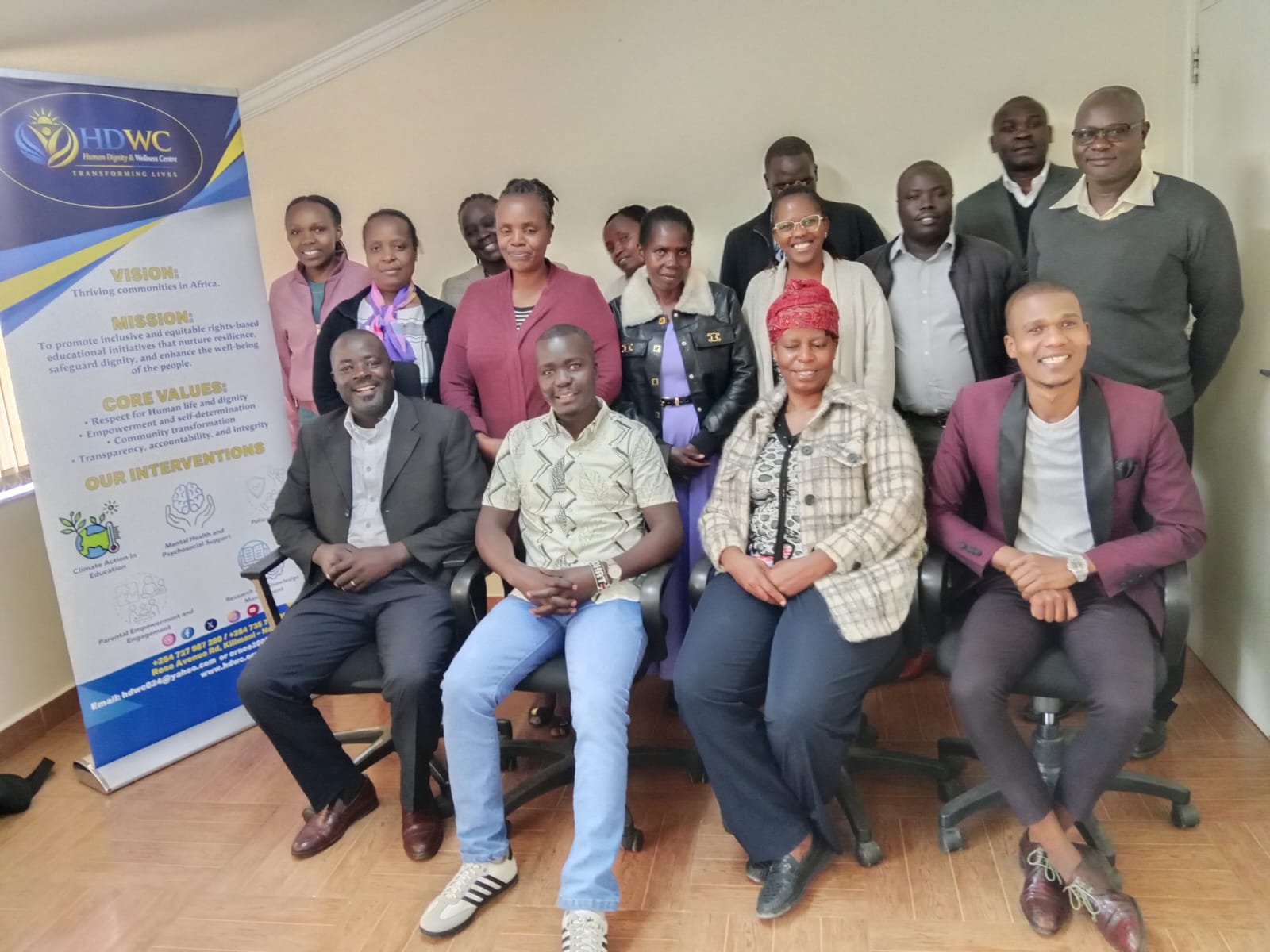
This question was central to a consultative meeting in Nairobi focused on “Greening Schools and Communities… Lifelong Learning for Climate Sustainability.”
The meeting brought together stakeholders interested in exploring how education, green skills, partnerships and community-led approaches can strengthen climate action.
For Saidika Organization, the conversation reinforced an important belief:
Climate education must move beyond awareness and become a pathway to action.
From the Classroom to the Community
Schools have an important role to play in preparing the next generation for a changing climate.
But climate education should not end with students learning definitions, causes and effects of climate change.
What if students could also learn by doing?
What if a school became a place where young people could:
🌱 Grow and care for trees
♻️ Practise responsible waste management and recycling
💧 Learn practical water conservation
⚡ Understand renewable and clean energy
🌾 Explore climate-smart agriculture
💡 Develop skills connected to emerging green industries
🤝 Lead environmental initiatives within their communities
This approach transforms climate education from something students simply learn about into something they experience and practise.
Why Green Skills Matter
Africa's transition towards a greener economy will create new demands for skills.
Young people entering the workforce today will increasingly encounter opportunities connected to renewable energy, sustainable agriculture, waste management, recycling, environmental conservation, green construction, clean mobility and other emerging sectors.
Preparing young people for these opportunities requires more than environmental awareness.
It requires green skills.
Green skills can help young people understand environmental challenges while developing the technical, entrepreneurial and problem-solving abilities needed to respond to them.
This creates an important connection between climate action and economic empowerment.
A young person should be able to look at a climate challenge and ask:
“What solution can I create?”
And eventually:
“What opportunity can this solution create for my community and for me?”
Lifelong Learning for Climate Sustainability
Climate education should not be limited to children and young people.
Communities are constantly learning and adapting to new environmental and economic realities.
Farmers may need to understand climate-smart practices. Entrepreneurs may need to explore sustainable production. Community leaders may need to understand environmental risks. Adults may need new skills as industries transition towards greener models.
This is why lifelong learning is important.
Climate resilience requires communities that can continuously acquire knowledge, adapt their practices and respond to emerging challenges.
Learning therefore becomes more than preparation for employment.
It becomes preparation for resilience.
Communities Must Be Part of the Solution
Climate action cannot be built entirely from the top down.
Communities already possess knowledge about their environments and the challenges they face.
They understand where flooding occurs, where waste accumulates, where water becomes scarce and how environmental changes affect livelihoods.
This local knowledge is valuable.
Community organisations can help connect this knowledge with education, technical expertise, young people's creativity and institutional support.
For Saidika Organization, this is particularly important because our work is rooted in communities.
We believe that sustainable solutions become stronger when the people affected by a challenge are given the opportunity to understand it, participate in addressing it and take ownership of the solution.
Greening Schools Can Create Greener Communities
A school does not exist separately from its community.
When students learn how to manage waste, they can take those lessons home.
When young people participate in tree planting, they can inspire neighbours.
When students understand water conservation, they can influence household practices.
When young people develop green entrepreneurship skills, they can create solutions that extend beyond the school environment.
This creates a powerful ripple effect:
School → Student → Family → Community → Wider society.
Greening schools can therefore become a practical entry point for greening communities.
The Role of Partnerships
No organisation can build this transformation alone.
The consultative meeting demonstrated the importance of bringing different actors together to exchange knowledge, identify opportunities and build partnerships.
Saidika Organization appreciates the Directorate of Adult Learning and Education, Nairobi County, and Human Dignity and Wellness Centre (HDWC) for creating space for stakeholders to have this important conversation.
Such partnerships are essential because climate sustainability requires different forms of expertise.
Government provides policy and coordination.
Schools provide learning spaces.
Community organisations bring local knowledge and relationships.
Private-sector actors can create opportunities for innovation and employment.
Young people bring creativity, energy and new ideas.
When these actors work together, climate education can become much more than a curriculum topic.
From Awareness to Action
We often say that climate action begins with awareness.
That is true.
But awareness alone is not enough.
A young person can understand climate change without knowing how to respond to it.
The next step is giving that young person the skills, confidence, resources and opportunities to act.
That is why the future of climate education should be about more than examinations and classroom knowledge.
It should be about skills, innovation, leadership and action.
Imagine a generation of young people who understand climate change, know how to build solutions, can identify opportunities in the green economy and are confident enough to lead change within their communities.
That is the transformation we should be working towards.
Saidika’s Commitment
At Saidika Organization, we believe that sustainable development begins with empowered communities.
Our commitment to youth empowerment, education, entrepreneurship and climate action reflects our belief that young people should not simply inherit the consequences of climate change.
They should have the knowledge and skills to shape the solutions.
The conversation on greening schools and communities is therefore not simply about planting trees or managing waste.
It is about building a culture of lifelong learning.
It is about preparing young people for a changing world.
It is about creating green skills and economic opportunities.
And ultimately, it is about empowering communities to become active participants in building a more sustainable future.
Climate action begins with awareness—but it must move to action.
And that action must include our schools, our young people and our communities. 🌍