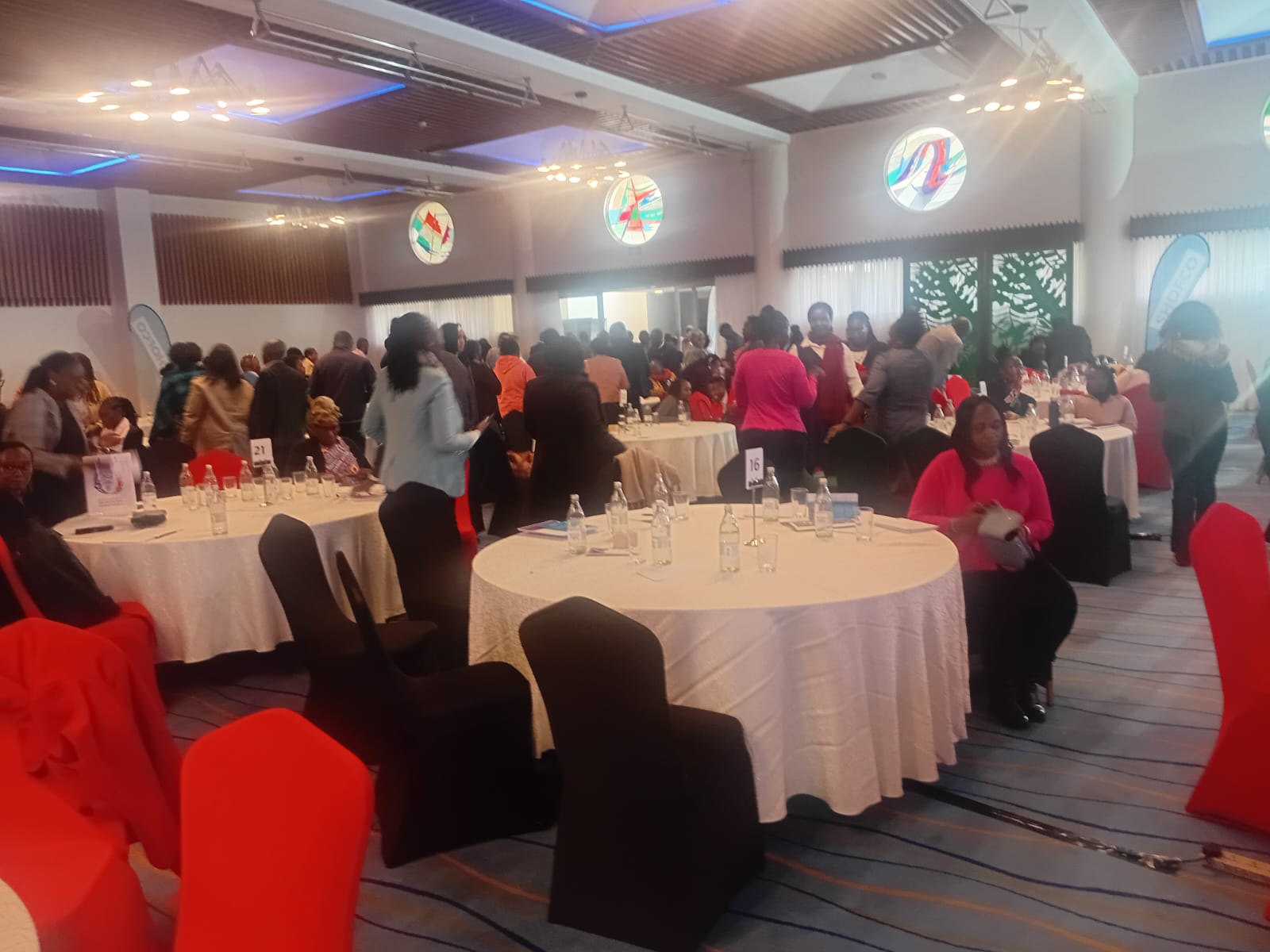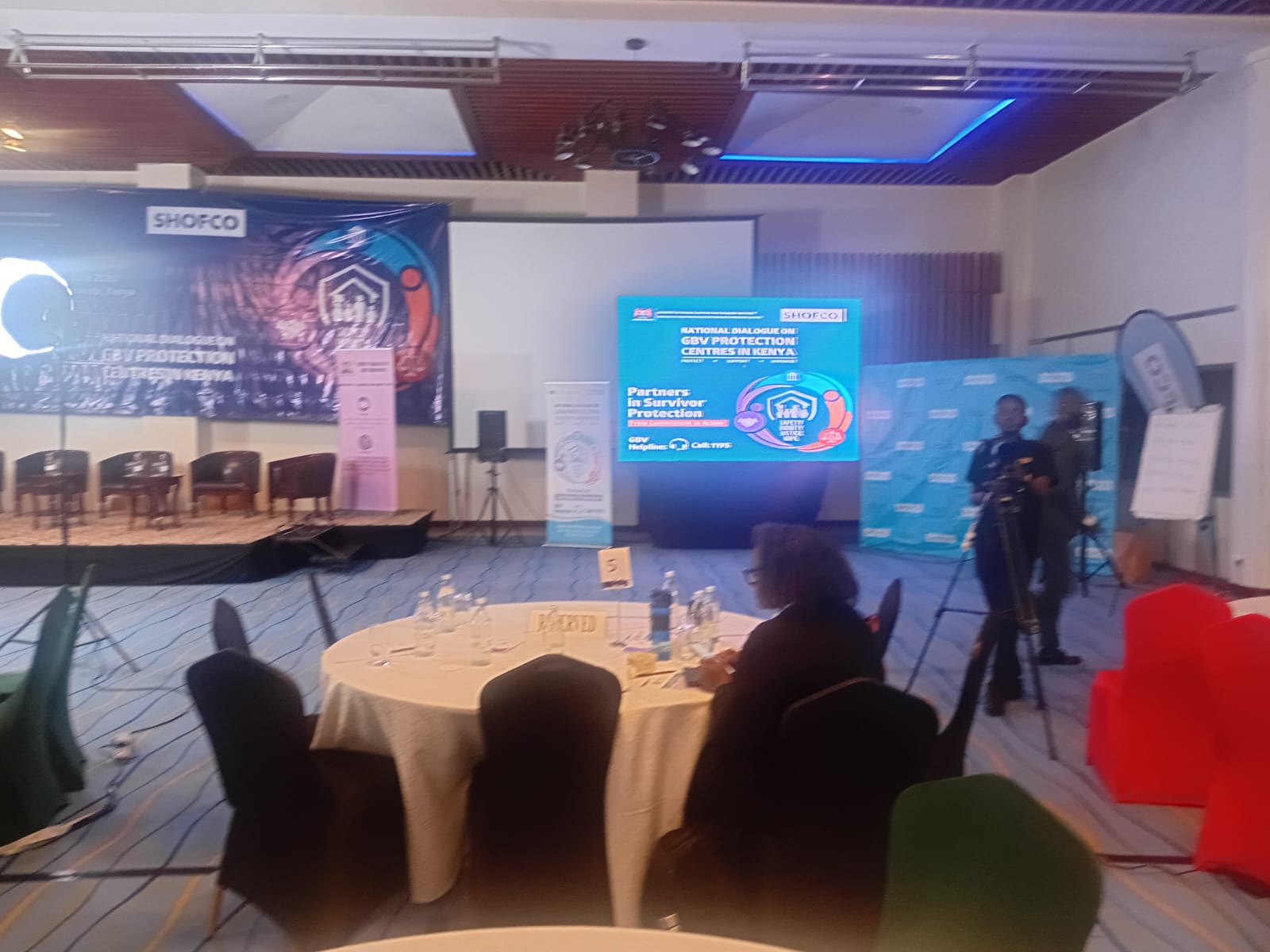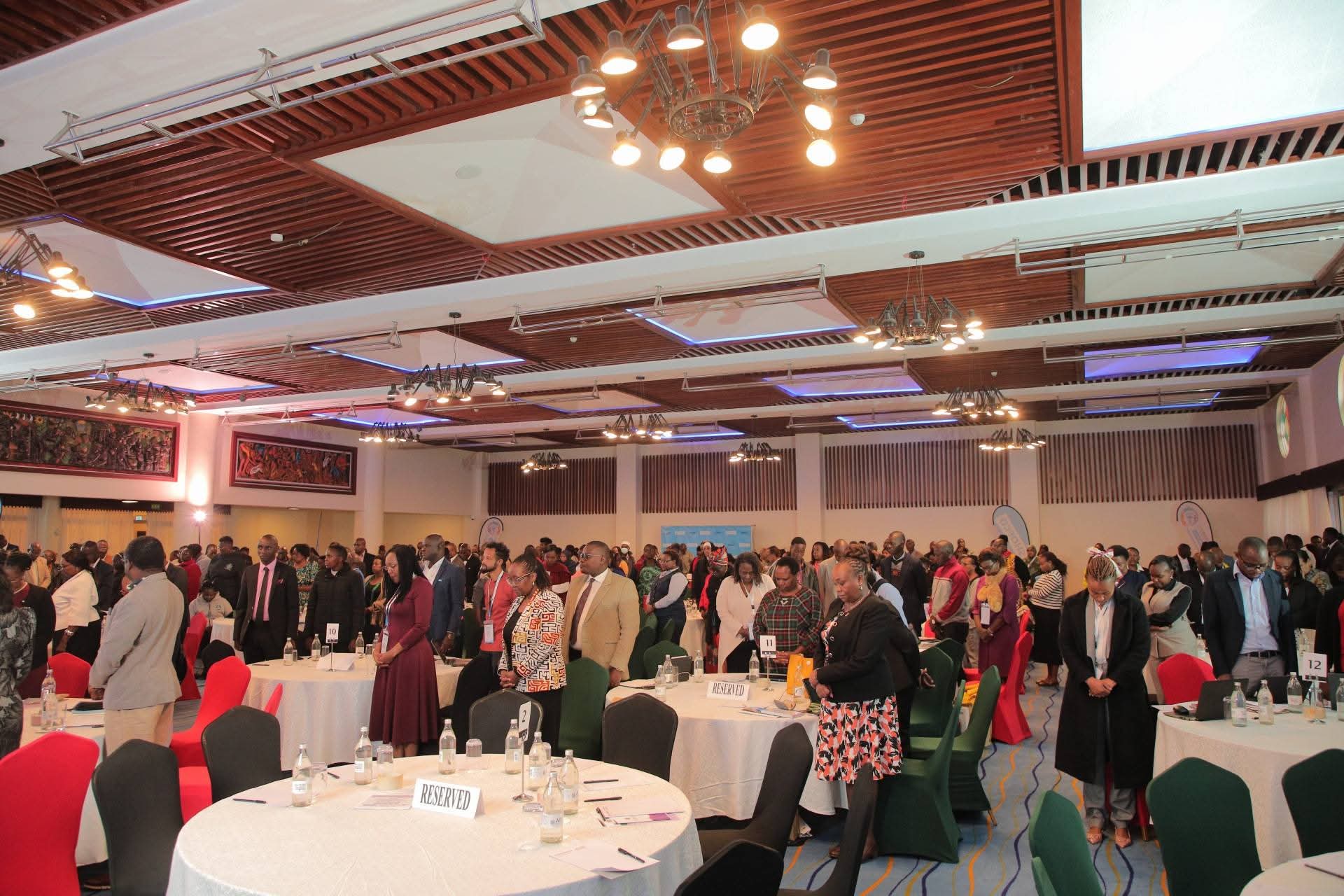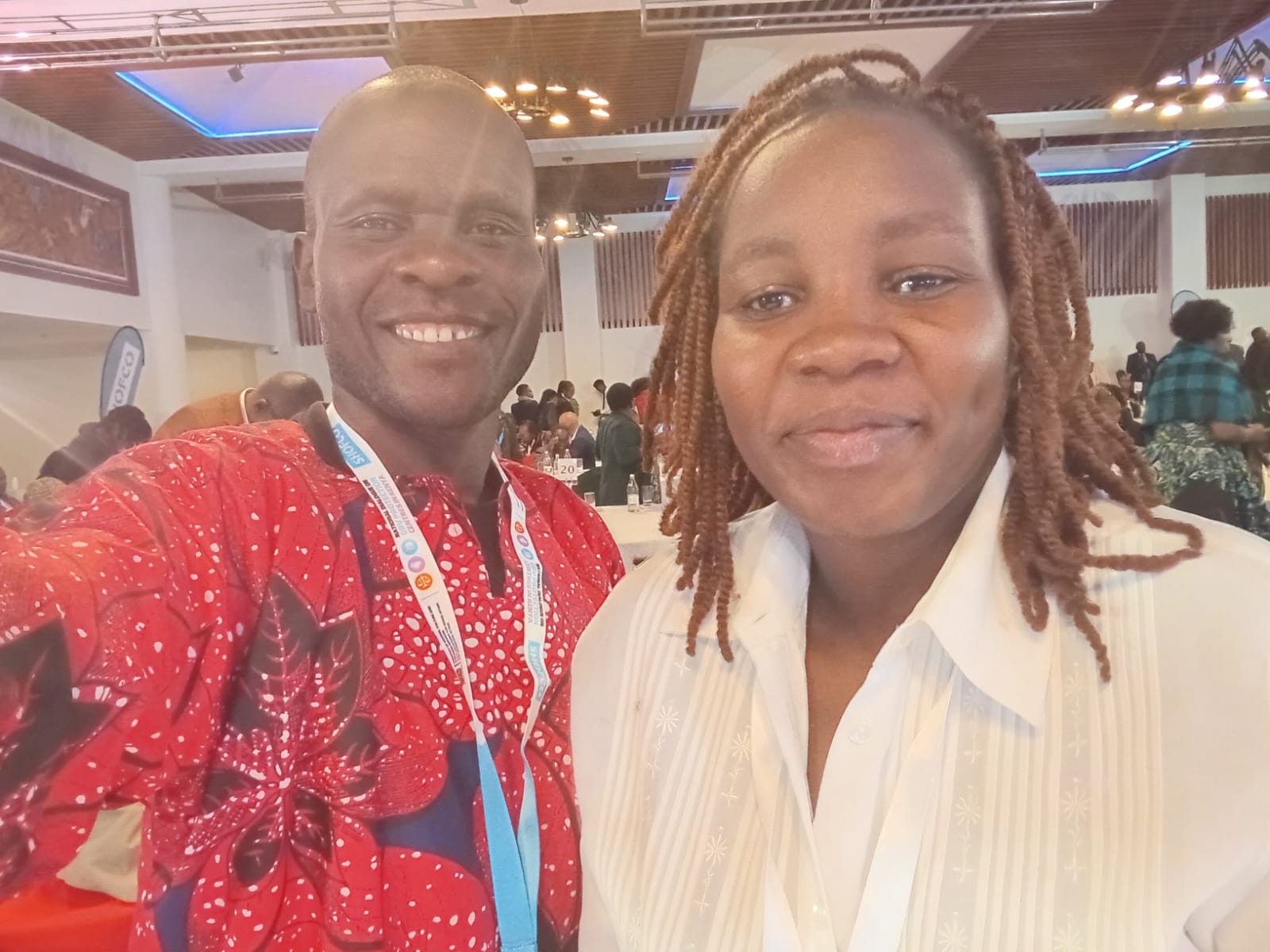
This week, I joined government leaders, civil society organizations, development partners, researchers, and practitioners at the National Dialogue on GBV Protection Centres in Kenya. The discussions were inspiring. We heard bold commitments to strengthen survivor protection, improve coordination, and expand access to quality Gender-Based Violence (GBV) services across the country.
As someone who leads a grassroots organization working in informal settlements, I left the room with both hope and an important question:
How do we ensure these commitments reach the communities where survivors need them most?
The Reality Beyond the Conference Hall
In conference rooms, we often discuss systems, policies, and national strategies. In communities, we meet women who fear reporting violence because they do not know where to seek help. We meet girls who drop out of school after abuse. We meet survivors who need counselling, legal support, safe shelter, healthcare, and economic opportunities—but cannot access them.
These realities remind us that policy alone does not change lives. Implementation does.
Grassroots organizations are often the first point of contact for survivors. We know the communities. We have earned trust over years of consistent presence. We understand the cultural and social barriers that prevent survivors from seeking support.
Yet many grassroots organizations continue to operate with limited resources, short-term project funding, and small teams despite carrying significant responsibility.
The Missing Link: Trust
One message echoed throughout the dialogue: Kenya needs stronger protection systems.
I agree.
But strong systems are not built only through infrastructure. They are built through trust.
Trust means believing that local organizations are not just implementers but partners in designing solutions. It means investing in community leadership instead of expecting organizations to deliver impact without sustainable support.
Across Africa, grassroots organizations consistently face barriers to accessing funding. Many lack the administrative capacity that large grants require—not because they lack competence, but because they have had limited opportunities to build those systems. Meanwhile, international evidence shows that only a small share of humanitarian and development funding reaches local and national organizations directly. This gap has been highlighted repeatedly in discussions on aid localization and locally led development.
From Funding Projects to Funding Institutions
Too often, donors fund activities but not organizations.
They fund workshops but not staff wellbeing.
They fund awareness campaigns but not rent.
They fund pilot projects but not long-term community relationships.
Yet sustainable impact depends on strong institutions.
If we truly believe in locally led development, then investment must go beyond project outputs. It must strengthen governance, leadership, financial systems, safeguarding, monitoring and evaluation, technology, and organizational resilience.
Strong organizations create lasting impact long after a project ends.
What Needs to Change?
The conversation should move beyond asking "How can grassroots organizations access funding?"
Instead, we should ask:
How can funding systems become more accessible to grassroots organizations?
How do we reduce administrative barriers while maintaining accountability?
How do we invest in organizational capacity alongside program delivery?
How do we measure trust, not just transactions?
These are not just funding questions. They are questions about equity, effectiveness, and sustainability.
A Shared Responsibility
Governments cannot do this alone.
International NGOs cannot do this alone.
Donors cannot do this alone.
Grassroots organizations cannot do this alone.
Ending Gender-Based Violence requires partnerships built on mutual respect, shared accountability, and long-term commitment.
When local organizations are trusted, communities benefit. When communities are stronger, national systems become stronger.
From Dialogue to Action
As I left the National Dialogue, I carried hope—but also responsibility.
The true success of this dialogue will not be measured by the quality of presentations or the number of participants in the room.
It will be measured by whether survivors in every county can access protection when they need it.
It will be measured by whether grassroots organizations are equipped—not just expected—to deliver lasting change.
And it will be measured by whether we move from discussing localization to practicing it.
A Call to Action
To governments, donors, foundations, private sector leaders, and development partners:
Invest in grassroots organizations as long-term partners, not just short-term implementers.
Support organizational growth alongside community programs.
Trust local leadership.
Co-create solutions with communities.
Because when grassroots organizations are strengthened, survivor protection becomes stronger, communities become more resilient, and national commitments become realities.
The future of GBV prevention and response will not be built only in conference rooms. It will be built in the communities where people live, heal, and lead. Let's ensure those communities have the partners they need.