What Happens After the Commitment? Turning Refugee Inclusion Promises into Action in Kenya
By Saidika Organization | August 2026
Refugee inclusion is often discussed through policies, commitments, forums and international frameworks.
But behind every commitment is a person whose life is directly affected by whether that commitment becomes reality
So, what happens after the commitment?
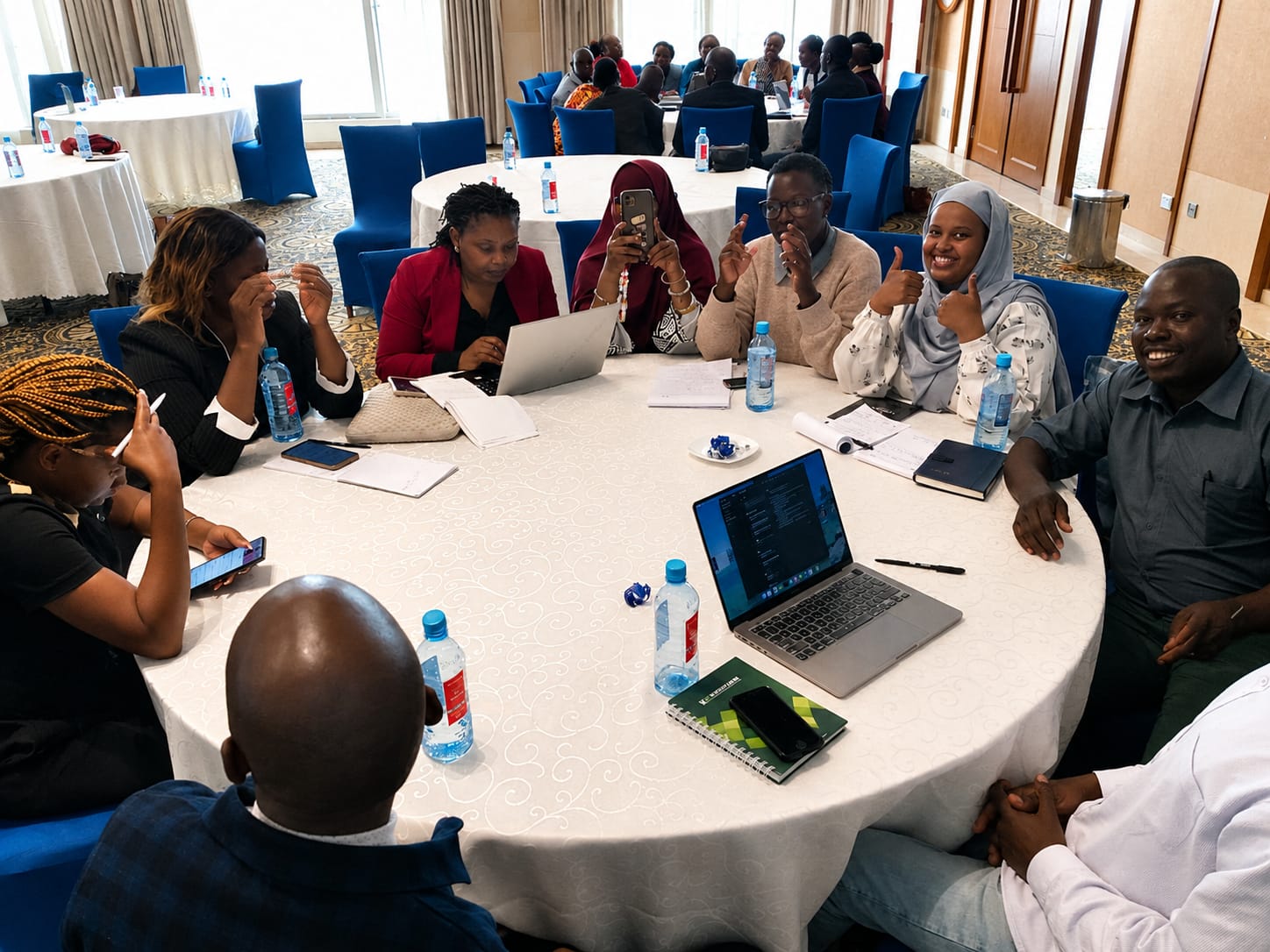
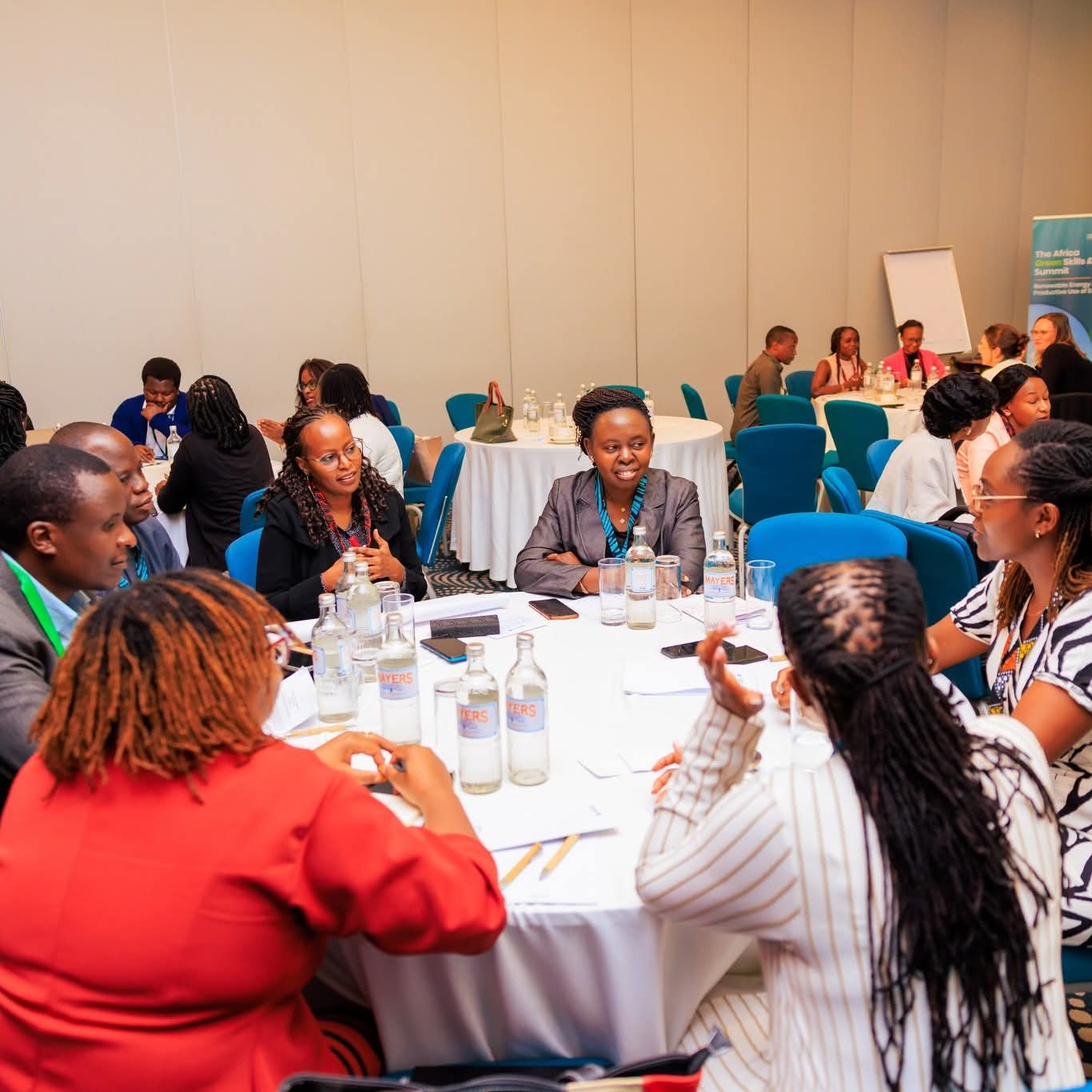
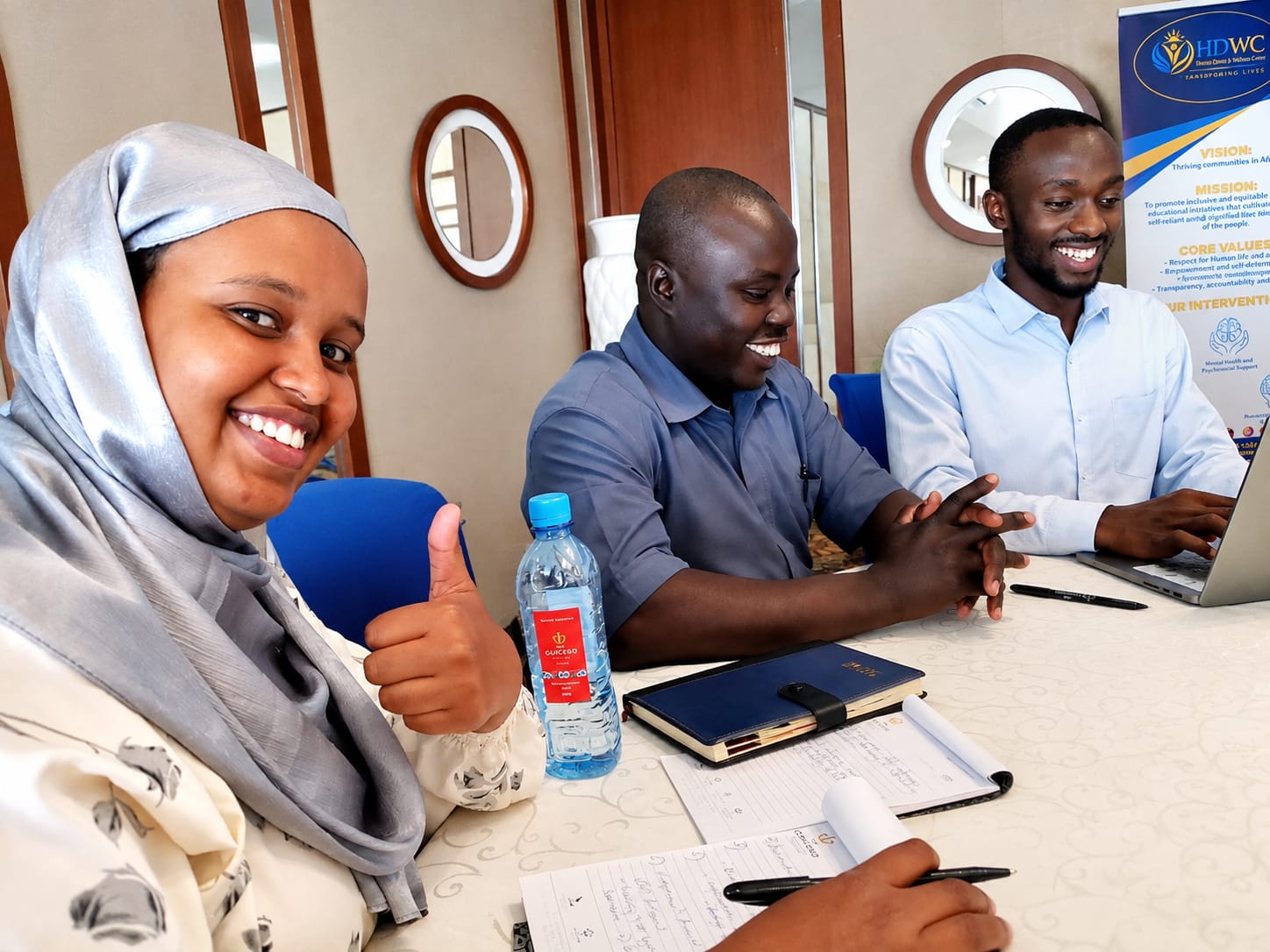
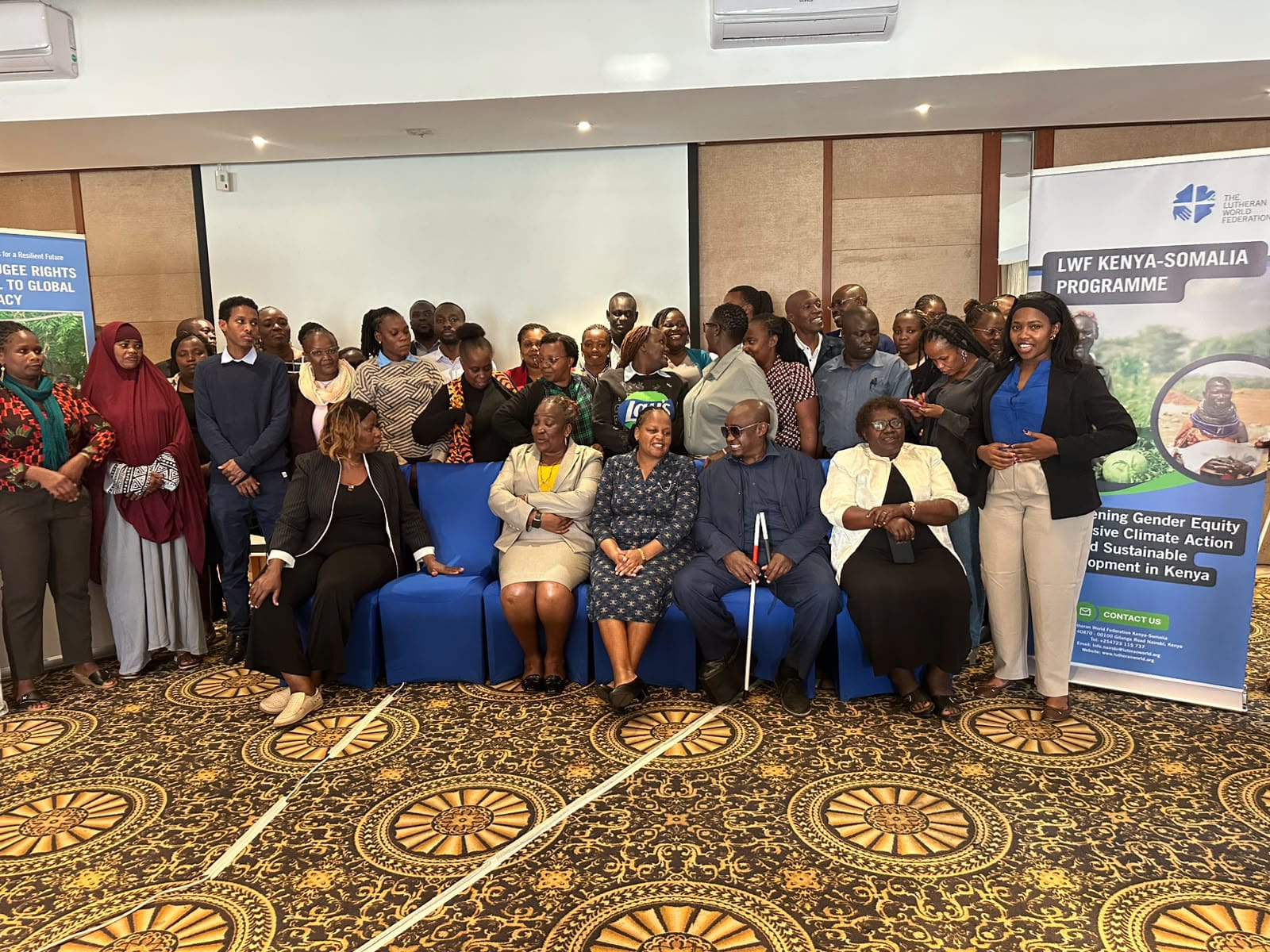
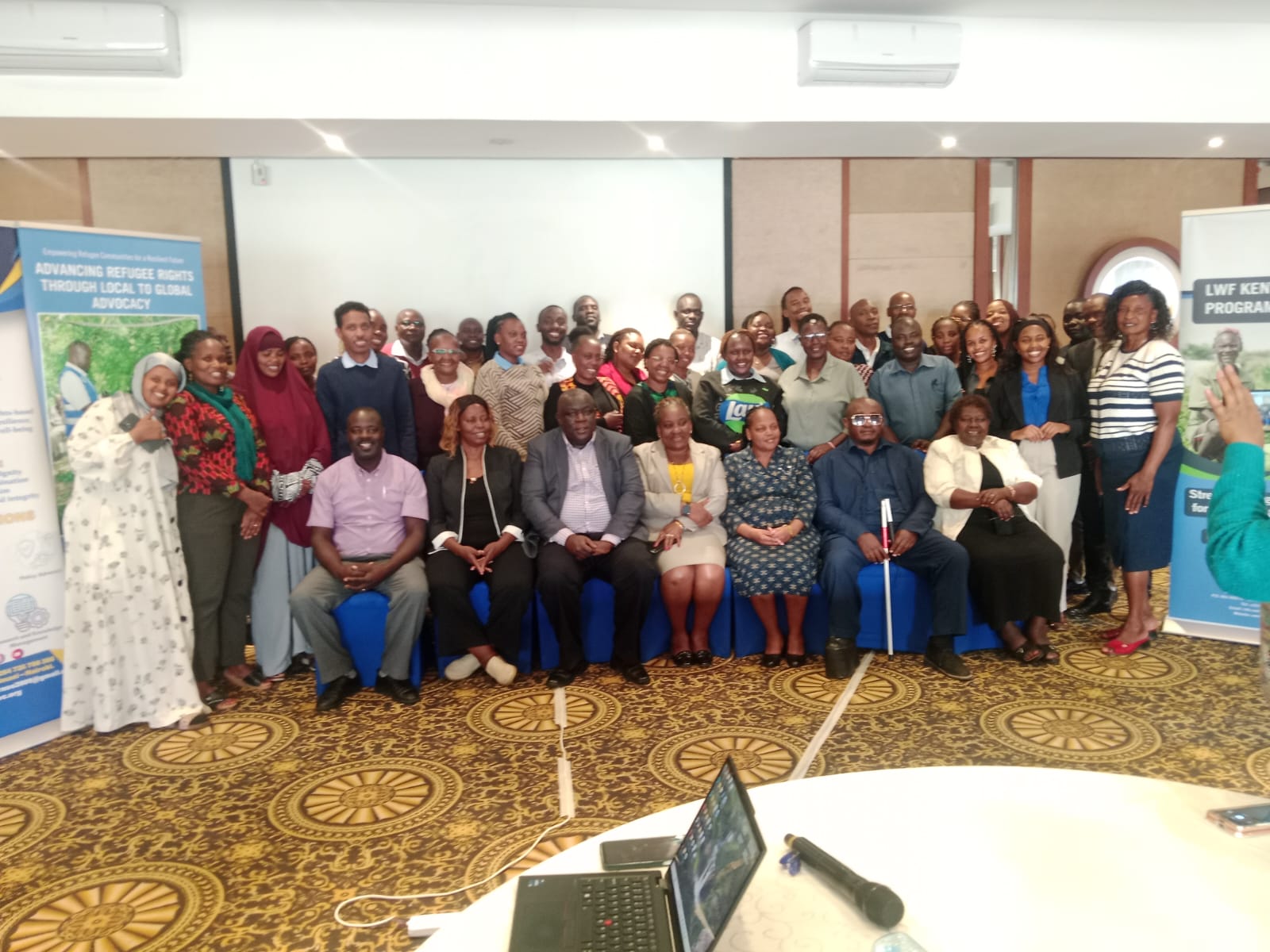
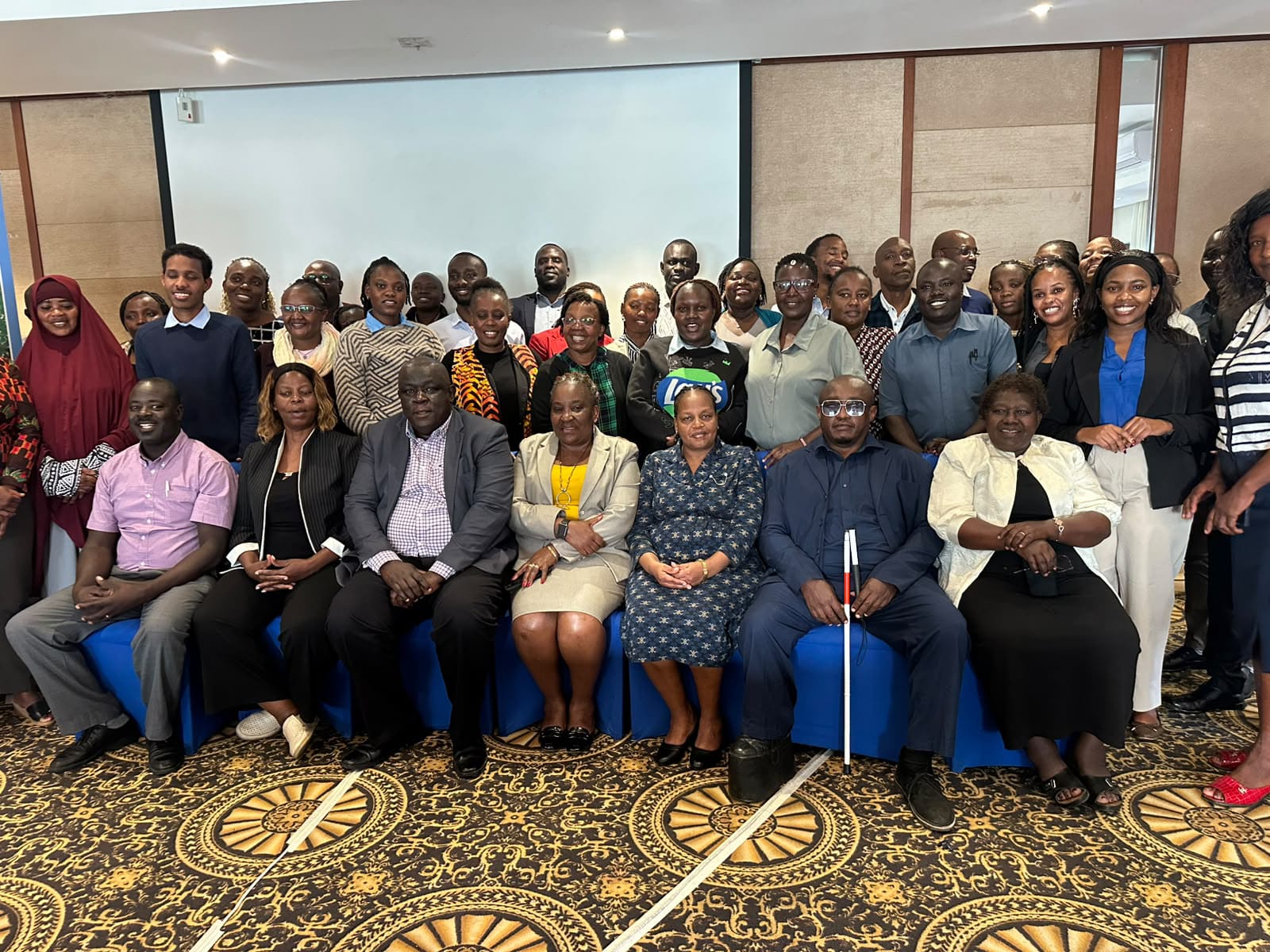
This question came to mind during a thought-provoking conversation on refugee inclusion in Kenya, reflecting on commitments made through the Global Refugee Forum and the implementation of the Shirika Plan.
The conversation reminded me that the real measure of inclusion is not simply what governments, organisations or partners promise.
It is what reaches people on the ground.
What Happens to a Refugee Who Missed School?
Displacement can interrupt education for years.
A child may be forced to leave school. A young person may lose the opportunity to complete secondary education. An adult may arrive in a new community without the qualifications needed to access employment.
So, what happens next?
Are there meaningful pathways for refugees who missed formal education?
Adult and continuing education, vocational training, digital skills, and recognition of prior learning can provide important pathways for people who were unable to follow traditional education systems.
Refugee inclusion must therefore include access to learning opportunities throughout life, not only opportunities available to those who followed a conventional education pathway.
Education should not become another barrier created by displacement.
What About Refugee Livelihoods?
People do not only need protection.
They also need opportunities to build independent and dignified lives.
For many refugees, accessing employment, starting a business, or developing useful skills can be difficult because of limited access to capital, documentation challenges, limited networks, discrimination, and lack of information about available opportunities.
This raises another important question:
Are refugees being given meaningful opportunities to build sustainable livelihoods?
Inclusion should create pathways towards skills development, employment, entrepreneurship, financial inclusion, and access to markets.
A refugee who can earn an income, support their family and contribute to the local economy is not simply a beneficiary.
They are a contributor to the community.
The GBV Survivors We May Never See
Gender-based violence presents another difficult reality.
Some survivors never report.
Others may not know where to seek help. Some fear stigma, retaliation or rejection. Others may face financial, cultural or social barriers that prevent them from accessing services.
This means that the number of reported cases cannot tell us the whole story.
We must therefore ask:
How do we reach survivors who never report?
Effective refugee inclusion must include safe and accessible pathways to prevention, protection, psychosocial support, healthcare, legal assistance and justice.
Community awareness also matters.
People need to know where they can seek help and, importantly, they need to trust that seeking help will not put them at greater risk.
Are Urban Refugees Being Seen?
Refugee inclusion must also recognize the reality of refugees living in urban communities.
Not every refugee lives in a traditional refugee camp or settlement.
Many live in cities and towns alongside host communities, attending schools, looking for employment, running businesses and raising families.
Yet their challenges can sometimes remain less visible.
How do we ensure that refugees living in urban communities are not overlooked simply because they are outside the traditional camp setting?
Urban refugee inclusion requires stronger connections between government institutions, county governments, civil society organisations, refugee-led organisations and community-based organisations.
Services and opportunities must be accessible to people based on their needs—not simply their location.
Inclusion Must Go Beyond Policy
Policies and plans matter.
International commitments matter.
The Global Refugee Forum created important commitments around improving refugee protection and inclusion, while the Shirika Plan provides a framework for a more integrated approach to refugee and host-community development in Kenya.
But the real test begins beyond the conference room.
Can a refugee access education?
Can they find a pathway to decent work?
Can a survivor of GBV safely access support and justice?
Can an urban refugee access essential services and opportunities?
Can refugees participate in decisions affecting their lives and communities?
These are the questions that turn policy into accountability.
From Beneficiaries to Participants
Refugees should not only be viewed through the lens of need.
They have skills, knowledge, experiences, ambitions and ideas.
They are teachers, entrepreneurs, professionals, students, community leaders, parents and young people.
Creating inclusive communities means creating opportunities for refugees to participate, contribute and lead.
This requires listening to refugees themselves and involving them in the design, implementation and evaluation of programmes intended to support them.
After all, it is difficult to create meaningful solutions for people without meaningfully involving them in the process.
What Happens After the Commitment?
The difficult work begins when we move from commitments on paper to measurable change in people's lives.
It begins when a missed education pathway is reopened.
It begins when a survivor knows where to find help.
It begins when a young refugee can access skills and build a livelihood.
It begins when an urban refugee is visible to the systems designed to serve them.
And it begins when refugees are not only seen as people in need of assistance, but as partners in building stronger and more inclusive communities.
At Saidika Organization, we believe community development must be people-centred, inclusive and rooted in dignity.
The question we should continue asking is simple:
If we know who is being left behind, what are we going to do differently to reach them?
Because refugee inclusion is not just about what we promise.
It is about what people experience.
And ultimately, the success of our commitments will be measured not by the documents we produce, but by the lives we are able to change.