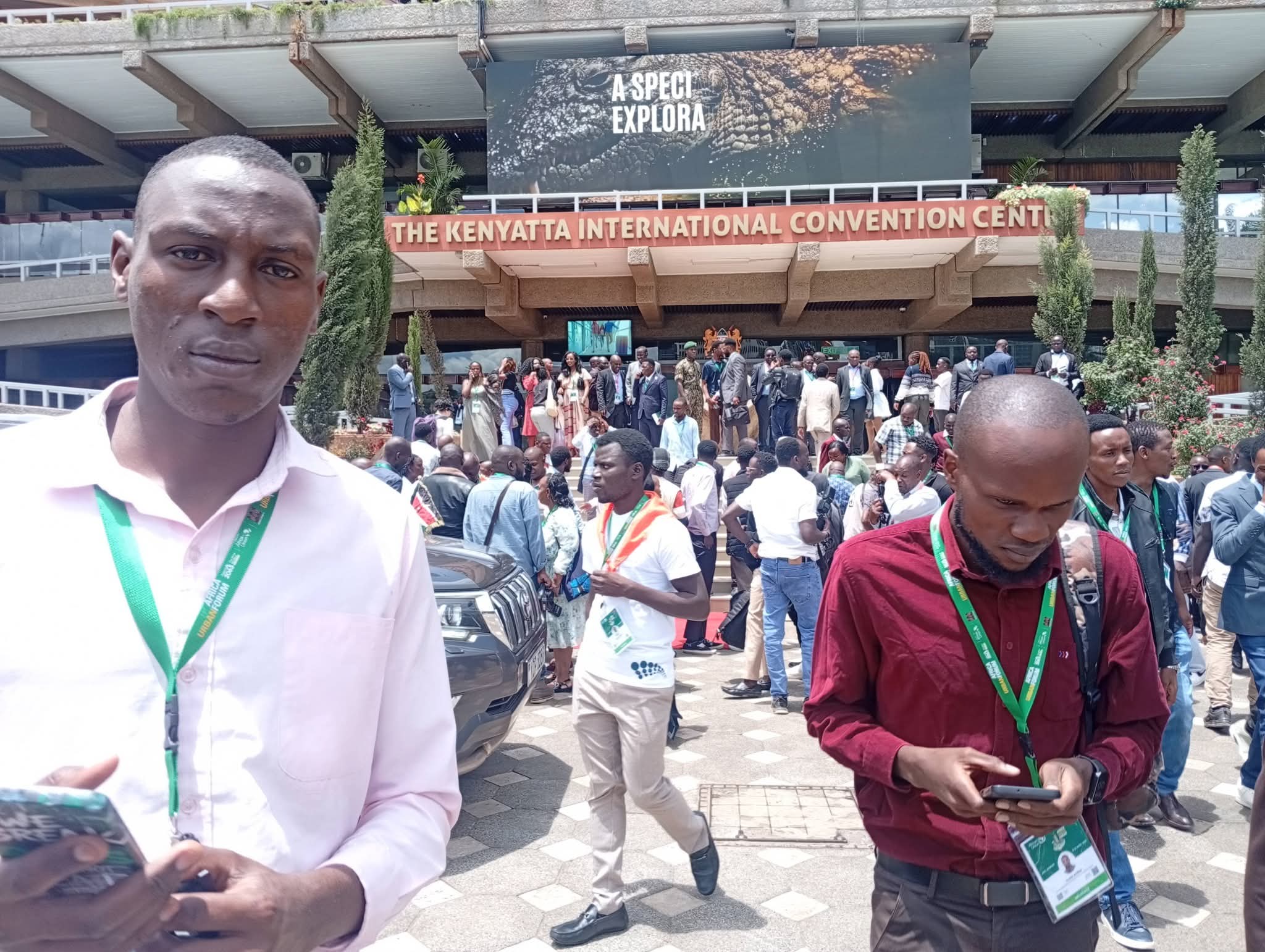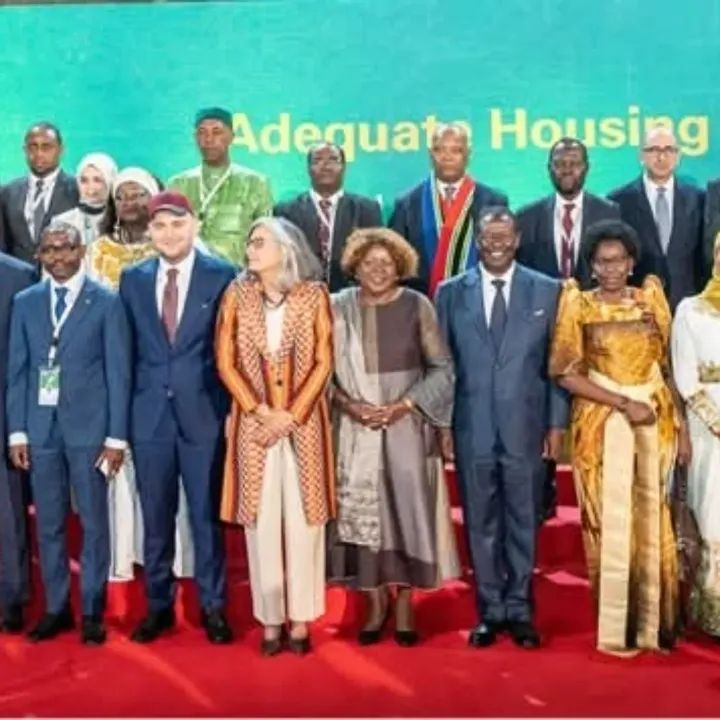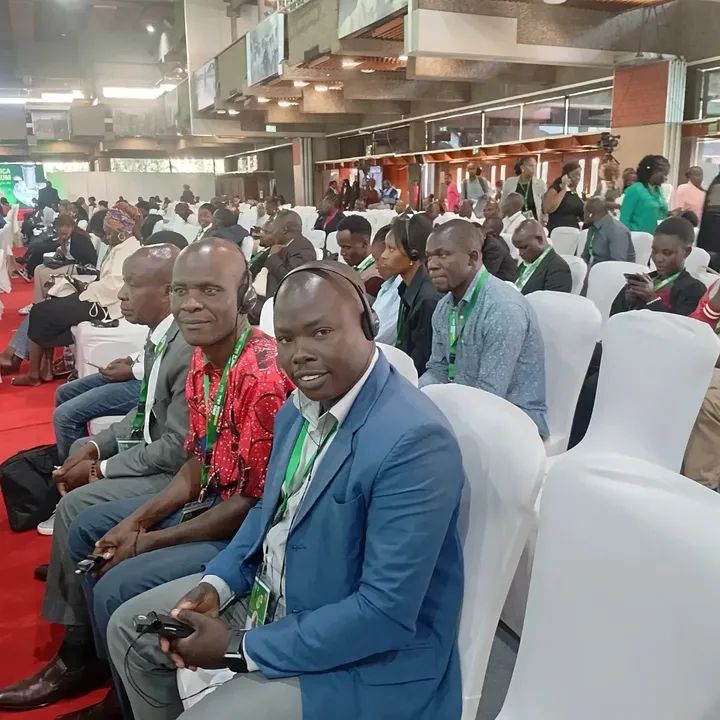
As the curtains closed on the 2nd Africa Urban Forum held in Kenyatta International Convention Centre, Saidika Organization joins leaders, institutions, youth delegates, development partners, and policymakers across the continent in reflecting on the significance of this transformative gathering.
The forum, convened under the leadership of the African Union and hosted in partnership with the Government of Kenya, created an important platform for advancing conversations around sustainable urbanization, climate resilience, youth inclusion, governance, infrastructure, and the future of African cities.
We extend appreciation to the key convening partners, including UN-Habitat, UCLG Africa, ICLEI Africa, and C40 Cities, for their continued commitment to shaping inclusive and sustainable urban futures across Africa.
Recognition also goes to supporting institutions such as the European Union, German Development Cooperation (GIZ), Agence Française de Développement, Expertise France, and the Council of Governors Kenya for supporting initiatives aimed at strengthening sustainable urban development and local governance systems across the continent.
At Saidika Organization, participation in this forum reaffirmed the importance of youth inclusion within policy dialogue and urban transformation processes. The opportunity to engage in conversations contributing to the Nairobi Declaration reflected the growing recognition that young people are not only beneficiaries of development but active contributors to shaping Africa’s future.
The forum also highlighted a critical reality:
Africa’s urban future will largely depend on how effectively cities respond to challenges related to climate change, inequality, housing, infrastructure, employment, mobility, and access to opportunities.
According to UN-Habitat, Africa is urbanizing faster than any other region globally, with the continent’s urban population expected to nearly double by 2050. This rapid urban growth presents both major opportunities and significant development pressures for governments and communities.
Similarly, the World Bank Urban Development Overview notes that well-managed urbanization can drive economic transformation, innovation, and poverty reduction when supported through sustainable planning and inclusive governance systems.
At Saidika Organization, we believe forums such as the Africa Urban Forum are important because they move beyond discussion and create pathways for partnerships, collaboration, policy action, and implementation.
One important lesson stood out throughout the engagements:
Where someone comes from should never determine their access to opportunities, knowledge, partnerships, or participation in shaping society. What matters most is the impact individuals and institutions create within communities.
The conversations, collaborations, and partnerships built throughout the forum demonstrated the collective potential when governments, youth leaders, civil society, development institutions, and private-sector actors work together toward common goals.
𝗡𝗢𝗪, 𝗧𝗛𝗘 𝗥𝗘𝗔𝗟 𝗪𝗢𝗥𝗞 𝗕𝗘𝗚𝗜𝗡𝗦.
Africa’s cities cannot afford to remain spaces of inequality and unmanaged growth. The ideas, commitments, and recommendations emerging from this forum must now translate into practical implementation, inclusive policies, sustainable infrastructure, climate action, and community-centered urban development.
The future of African cities will depend not only on plans and declarations, but on collective action and accountability.
𝗦𝗼𝘂𝗿𝗰𝗲𝘀 & 𝗥𝗲𝗳𝗲𝗿𝗲𝗻𝗰𝗲𝘀
#AfricaUrbanForum#AfricanUnion#SustainableCities#UrbanDevelopment
#ClimateAction#YouthLeadership#SmartCities#AfricanCities#UrbanInnovation#SDGs#Agenda2063#InclusiveCities#FutureOfAfrica#CityLeadership
#GreenCities#ClimateResilience#YouthInGovernance#LocalGovernance
#PartnershipsForDevelopment#CommunityImpact#UrbanTransformation
#SaidikaOrganization#AfricaRising#ImpactDrivenLeadership#NairobiDeclaration