From Green Skills to Green Jobs: Why Africa’s Youth Must Be at the Centre of the Green Transition
By Saidika Organization | August 2026
Africa’s green transition is no longer a conversation about the future. It is already reshaping how communities live, how businesses operate and how young people will work.
But one question remains critical: Will Africa’s young people have the skills, opportunities and resources they need to participate meaningfully in this transition?
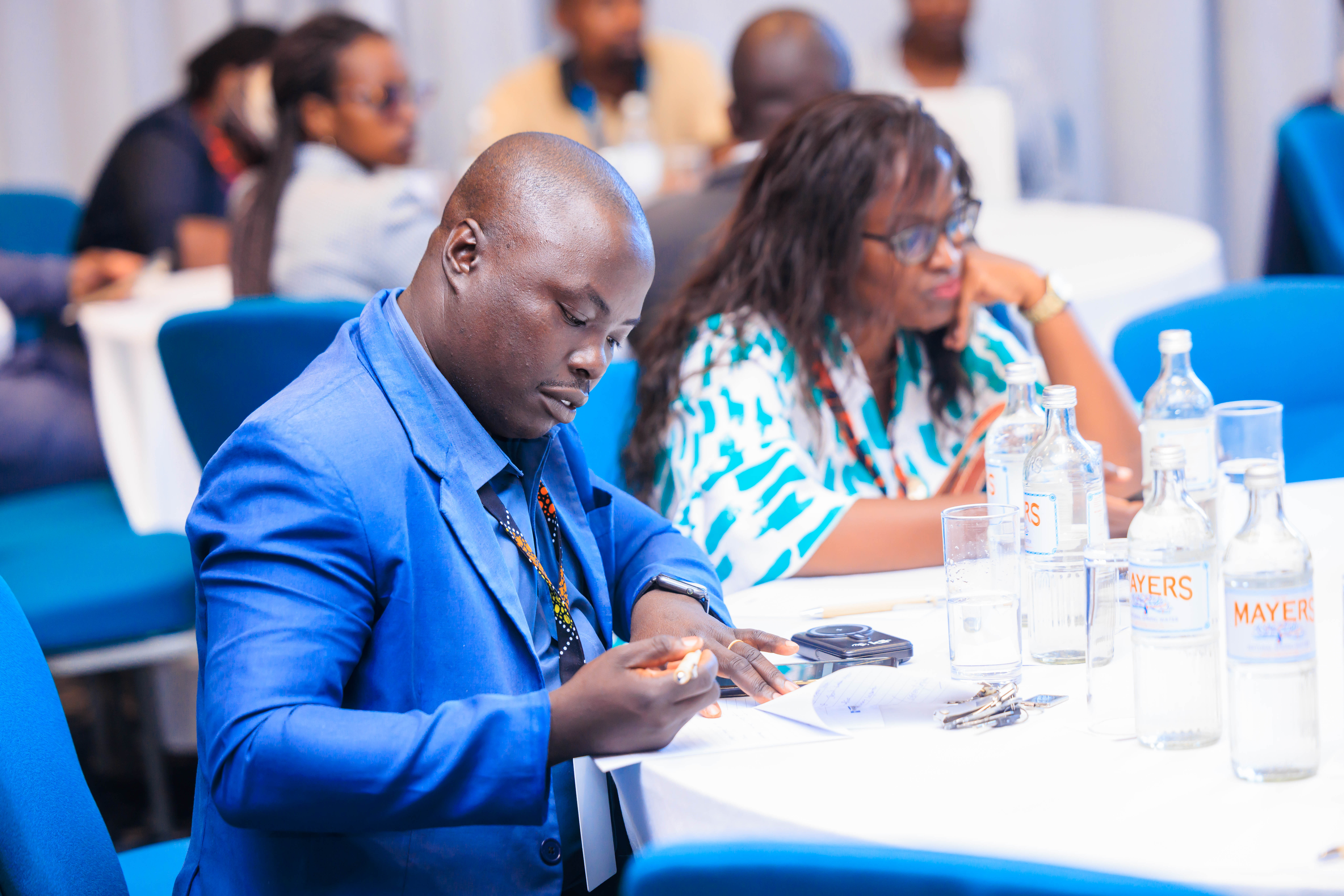
This question was at the heart of the inaugural Green works 4 Africa: Africa Green Skills and Jobs Summit, held in Nairobi on 12–13 August 2026. The forum brought together government representatives, businesses, development partners, researchers, skills institutions and practitioners to explore practical pathways for building Africa’s green workforce and enterprise economy.
For Saidika Organization, participation in this important conversation reinforced something we have witnessed through our community work: skills only create lasting change when they are connected to opportunity.
Beyond Training: Connecting Skills to Livelihoods
One of the strongest messages emerging from the summit was the need to move beyond training for training’s sake.
Young people can attend courses, receive certificates and acquire technical knowledge—but if those skills are not connected to employers, markets, finance, mentorship or enterprise opportunities, the pathway to decent work remains incomplete.
Kenya is already moving in this direction. In July 2026, the country launched its National Strategy on Green Skills and Jobs 2026–2031, alongside other measures aimed at strengthening the connection between skills, industry and employment. (The United Nations in Kenya)
The Green works 4 Africa discussions reinforced this need for practical alignment, highlighting apprenticeships, dual training, recognition of prior learning and stronger links between training curricula and actual labour-market demand. (KBC Digital)
For young people in underserved communities, this connection is particularly important.
Putting Communities at the Centre of the Green Economy
Africa’s green transition cannot succeed if communities are treated merely as beneficiaries.
Young people, women, informal workers, community organisations and local enterprises are already developing solutions to environmental and economic challenges. What they often lack is access to the networks, investment, technology, markets and institutional support required to scale those solutions.
This is why locally led development matters.
At Saidika Organization, our approach to community development is built around empowering people with knowledge, skills and opportunities to become active participants in solving the challenges affecting their communities.
Our work in youth entrepreneurship, financial education, leadership development and climate action reflects this approach.
Through initiatives such as the Saidika Climate Circle, young people and communities are engaged in environmental education, waste management and recycling, urban greening, clean energy and green innovation. The programme seeks to turn climate awareness into practical community action. (Saidika Organization)
Green Skills Must Include Entrepreneurship
The green economy should not be viewed only through the lens of formal employment.
For millions of young Africans, entrepreneurship and the informal economy will remain important pathways to economic participation. Green skills therefore need to include not only technical competencies, but also financial literacy, digital skills, entrepreneurship, business management, innovation and market access.
A young person who learns about recycling, clean energy, sustainable agriculture or climate-smart production should also understand how to turn that knowledge into a viable enterprise.
This is where skills development and economic empowerment must meet.
At Saidika, we believe that empowering young people means helping them move from learning to earning, and from earning to building sustainable livelihoods.
Collaboration Is the Missing Link
The Green works 4 Africa Summit also highlighted a reality that no single organisation can solve Africa’s green employment challenge alone.
Governments provide policy and enabling environments. Businesses create markets and jobs. Skills institutions prepare workers. Investors provide capital. Development partners support innovation and scale. Civil society and community organisations bring local knowledge and trusted relationships.
These actors must work together.
As KBC reported following the summit, stakeholders called for a more coordinated approach linking government, businesses, investors, skills institutions and development partners around Africa’s green economic transformation. (KBC Digital)
For Saidika, this is more than a policy recommendation. It is an invitation to build stronger partnerships that connect community realities with national and continental ambitions.
A Green Transition That Leaves No One Behind
Africa has a young and rapidly growing population. This demographic reality should not be viewed simply as a challenge. It can be one of the continent’s greatest economic assets—if young people are equipped and given meaningful opportunities to participate in emerging sectors.
The green transition therefore presents an opportunity to address two challenges at once: climate change and youth unemployment.
But this will only happen if green investments translate into real opportunities for people at community level.
We need training that responds to market demand.
We need apprenticeships that give young people practical experience.
We need recognition of skills gained outside formal classrooms.
We need financing that enables young entrepreneurs to start and grow green enterprises.
We need policies that support inclusion.
And we need partnerships that move beyond dialogue into implementation.
Saidika’s Commitment
Saidika Organization believes that sustainable development begins with empowered communities.
Our continued work in youth empowerment, entrepreneurship, financial education, education, leadership and grassroots climate action is part of a broader commitment to building communities that are resilient, economically empowered and capable of creating their own solutions.
The Green works 4 Africa Summit reminded us that Africa does not simply need more conversations about the green economy. It needs systems that turn knowledge into skills, skills into livelihoods, and livelihoods into sustainable communities.
The transition is already underway.
The question is whether we will build it in a way that includes the young person in Kibera, the woman running a small enterprise, the informal worker developing a new skill and the community innovator creating solutions with limited resources.
Africa’s green future must be a future in which communities are not left behind—but are empowered to lead.
Saidika Organization is a community-based organization in Kenya working to empower women, youth and vulnerable communities through education, healthcare, economic empowerment, leadership development and sustainable community development. (Saidika Organization)
#Green skills in Africa
#green jobs in Kenya
#youth employment Kenya
#green economy Africa
#youth empowerment Kenya
#climate action Kenya
#green entrepreneurship
#Green works 4 Africa
#youth skills development
#sustainable development Kenya.